Professional HVAC Systems: Keep Your Home Comfortable Throughout the Year
Professional HVAC services play an essential role in maintaining continuous comfort in homes. Understanding the intricacies of heating, ventilation, and air conditioning systems is important for homeowners. Identifying common issues can avoid discomfort and inefficiency. Regular maintenance is often neglected yet crucial. As innovation advances, fresh alternatives for control and monitoring emerge. What factors should be considered when choosing the right system for your home? The responses may surprise you.
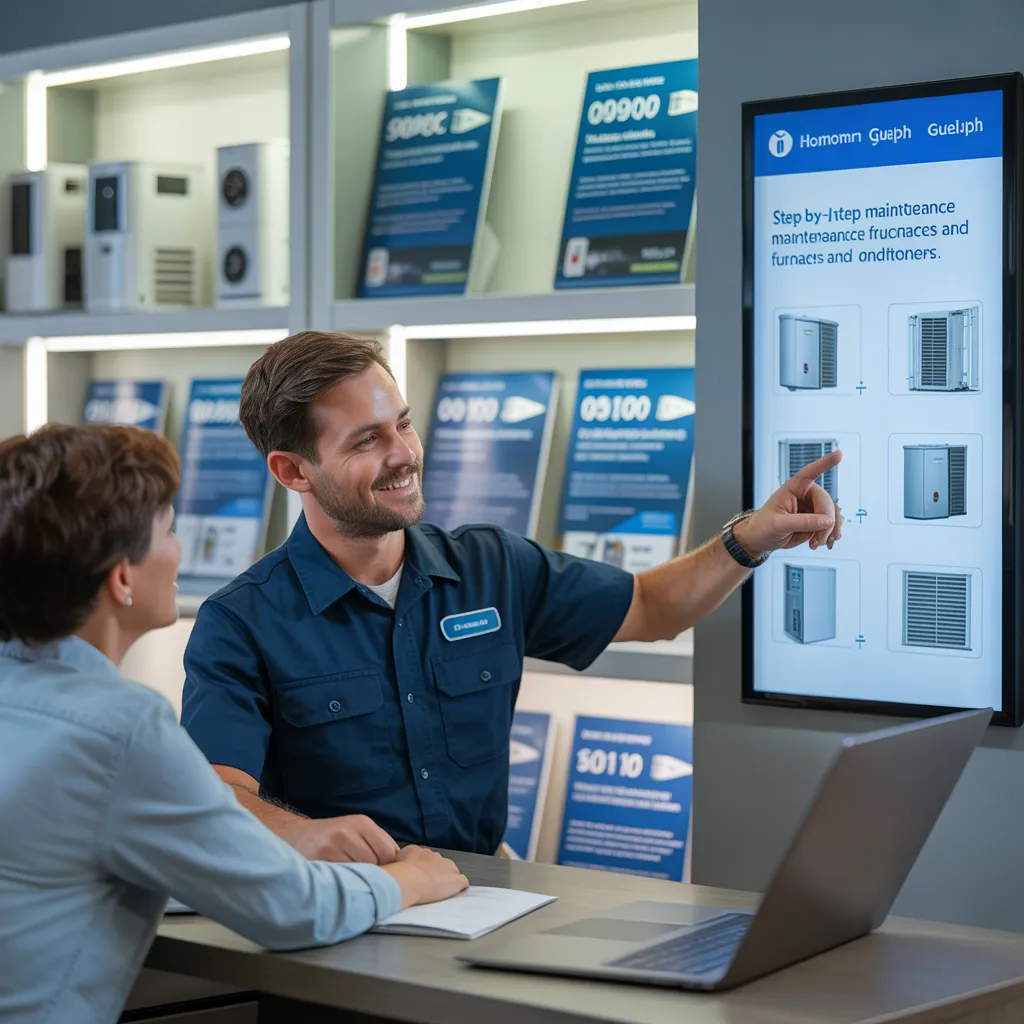
Understanding the Essentials of HVAC Systems
HVAC systems, a critical aspect of modern buildings, oversee indoor temperature and air quality. These systems comprise heating, ventilation, and air conditioning components that operate together to maintain cozy indoor environments year-round. Heating elements, such as furnaces or heat pumps, supply warmth during colder months, while air conditioning units cool spaces during hot weather.
Proper air circulation is critical for ensuring adequate oxygen flow and minimizing indoor pollutants, often achieved through natural or mechanical means. Additionally, HVAC systems can be outfitted with advanced controls and smart technology to enhance comfort and efficiency. Regular maintenance is essential for peak performance and durability, helping to prevent malfunctions and ensuring efficient energy use. Comprehending the basic functions and components of HVAC systems enables property owners to make informed decisions concerning their installation and upkeep, promoting a healthier and more comfortable home space.
Common HVAC Issues and How to Identify Them
Normal operation of HVAC systems can sometimes be interrupted by different problems that may develop over time. Common problems consist of inadequate heating or cooling, which may suggest a faulty thermostat or dirty air filters. Unusual noises, such as banging or rattling, can signal detached parts or a failing motor. Additionally, a lingering smell—especially a burning smell—could suggest electrical issues or overheating.
Another matter is excess moisture, which may result in fungal growth and indicates poor drainage. If electricity costs rise unexpectedly, this may point to inefficiencies in the system, often caused by leaks in ductwork or lack of proper insulation. Finally, repeated switching can mean an oversized system or faulty thermostat. Noticing these symptoms as soon as possible can help homeowners tackle problems quickly, maintaining comfort and efficiency in their living spaces.
What Should You Evaluate When Choosing an HVAC System?
Selecting an HVAC system requires attention to two vital factors: system size and energy efficiency ratings. Sufficient sizing guarantees optimal operation and comfort, while energy performance ratings influence long-term running costs. Understanding these elements can lead to superior decision-making for both residential and commercial needs.
Why System Size Counts
Selecting the ideal HVAC system is essential for maintaining comfort and efficiency in any home or building. One of the main factors to note is the size of the system, since an incorrectly sized unit may cause various problems. A system that is too small may have difficulty maintaining required temperatures, resulting in higher energy use and wear and tear. Conversely, an oversized system might cycle on and off frequently, causing inefficient operation and possible humidity issues. To determine the right size, homeowners should assess the space's square footage, insulation quality, and local climate. Consulting an qualified HVAC specialist can provide helpful insights and ensure the system selected meets the exact heating and cooling needs of the environment, thereby enhancing overall comfort and performance.
Energy Efficiency Classifications
Energy efficiency ratings function as an essential role in the decision-making process for HVAC systems. These ratings, such as SEER (Seasonal Energy Efficiency Ratio) for cooling and AFUE (Annual Fuel Utilization Efficiency) for heating, outline how effectively a system converts energy into heating or cooling. Higher ratings typically suggest lower energy consumption and reduced utility bills, benefiting both the environment and the homeowner's budget. When selecting an HVAC system, prospective customers should consider these ratings alongside their specific climate and usage patterns. Understanding the long-term savings pertaining to premium efficiency units can lead to better-informed choices. Additionally, local rebates or incentives for energy-efficient models may further influence the selection process, making it vital to evaluate all available options.
Why Consistent HVAC Care Is Crucial to Home Comfort
Although many homeowners fail to recognize it, regular HVAC care is essential for guaranteeing ideal home comfort. Regular servicing assists in identifying and resolve potential problems before they progress into expensive repairs. A well-serviced HVAC system functions more efficiently, providing steady heating and cooling throughout the home, which enhances a pleasant living environment.
In addition, consistent maintenance improves indoor air quality by changing or cleaning filters, reducing allergens and pollutants. It also prolongs the life span of the system, minimizing the need for early replacements. Homeowners who invest in periodic check-ups often have fewer breakdowns, offering peace of mind, especially during severe weather.
Also, regular care can contribute to energy savings, as a efficient unit uses less power to sustain desired climate levels. In conclusion, making HVAC maintenance a priority is a crucial component in creating a comfortable and healthy home atmosphere while preventing unexpected costs.
Practical Methods to Increase HVAC Energy Efficiency
Maximizing HVAC power consumption efficiency is necessary for both expense reduction and environmental consequences. Preventive maintenance is critical in guaranteeing ideal system output, while smart thermostats present superior regulation for energy management. Collectively, these tactics can considerably strengthen overall efficiency in temperature control systems.
The importance of routine maintenance
Regular maintenance plays an essential role in improving HVAC power performance. Regular check-ups and service work ensure that systems operate at optimal capacity, reducing energy usage and expenses. Regularly cleaning or replacing filters prevents dust buildup, which can block airflow and stress the system. Additionally, inspecting and sealing ducts minimizes energy waste, assuring that conditioned air reaches intended spaces efficiently. Technicians can identify potential issues during maintenance appointments, tackling them before they escalate into costly repairs or replacements. Furthermore, greasing moving parts reduces resistance, aiding in smoother operation and longevity. By prioritizing regular upkeep, homeowners can significantly improve their HVAC systems' efficiency, leading to a comfortable indoor environment and lower power costs throughout the year.
Smart Thermostat Perks
Installing smart thermostats effectively increases HVAC energy efficiency by letting homeowners adjust temperature settings optimally. These devices track behavioral trends, self-regulating temperature control to ensure maximum comfort and minimize energy waste. Remote access through smartphones, an advanced feature, allows users to control and monitor HVAC systems anywhere, thereby promoting increased efficiency. In addition, smart thermostats often supply thorough usage data, enabling homeowners to understand consumption and choose wisely. Certain models connect to multiple home automation systems, forming a harmonized system for managing energy. By investing in smart thermostat tech, homeowners can greatly reduce energy expenses and support eco-friendly initiatives.
Modern HVAC Systems: Enhancing Your Home Well-being
Intelligent HVAC systems significantly improves home comfort by maximizing temperature control and improving air purity. These sophisticated technologies utilize intelligent temperature controllers, which learn user preferences and adjust heating and cooling independently, guaranteeing steady comfort throughout the home. This adaptability reduces energy consumption, resulting in lower utility bills.
In addition, smart HVAC systems regularly include air quality sensors that measure pollutants, humidity levels, and temperature fluctuations. By integrating with air purifiers and ventilation systems, these technologies ensure that indoor air remains clean and healthy.
Furthermore, remote access features allow homeowners to manage their HVAC systems from mobile devices, permitting adjustments even when away from home. This level of command improves comfort and provides peace of mind. Ultimately, smart HVAC technology not only creates a more pleasant living environment but also encourages energy efficiency and health, rendering it a crucial component of modern home comfort solutions.
How Professional HVAC Services Enhance Your Home Experience
Expert HVAC services greatly elevate the overall household comfort by ensuring optimal system design, installation, and upkeep. Professionals in the field evaluate specific household requirements, optimizing system performance for power savings and coziness. This customized method helps control indoor temperatures, boosting satisfaction during harsh seasonal changes.
Moreover, proficient professionals deliver scheduled maintenance, which minimizes the possibility of unexpected malfunctions and prolongs device lifespan. Homeowners enjoy cleaner indoor air through proper filtration and ventilation, reducing allergens and promoting overall health.
In addition, advanced climate management systems often employ connected systems, enabling remote monitoring and control, which further improves the overall satisfaction.
In the end, the proficiency of HVAC professionals turns a house into a cozy sanctuary, fostering a pleasant living environment year-round. By emphasizing both efficiency and relaxation, these solutions lend considerably to the excellence of home life, making them indispensable for modern households.
Regularly Requested Questions
When Should I Update My HVAC System Regularly?
HVAC systems typically should be replaced every 10 to 15 years, subject to usage and maintenance. Regular evaluations can boost their lifespan, but indications of failing efficiency or multiple repair issues may mean it's time for a modern system.
What Are the Indicators That I Need a Fresh HVAC Unit?
Signals revealing the need for a new HVAC unit contain repeated malfunctions, rising energy bills, inadequate temperature control, unusual noises, and exceeding 15 years of age. Replacement may improve efficiency and enhance indoor comfort markedly.
Can HVAC Systems Support You Reduce Indoor Allergens?
HVAC systems can markedly reduce indoor allergens by boosting air filtration and circulation. Advanced filters capture dust, pollen, and other irritants, generating a cleaner environment and supporting better respiratory health for occupants. Regular maintenance guarantees peak performance.
What Is the Mean Lifespan of an HVAC System?
An HVAC system's average life expectancy generally lasts between 15 to 25 years, reliant on useful tips factors like maintenance, usage, and the specific type of system installed, impacting overall efficiency and longevity.
How Do I Pick an HVAC Contractor?
One should pick an HVAC contractor by investigating qualifications, reading reviews, comparing estimates, confirming coverage, and ensuring proper licensing. Expertise and reliability are essential for guaranteeing quality installation and maintenance of HVAC systems.